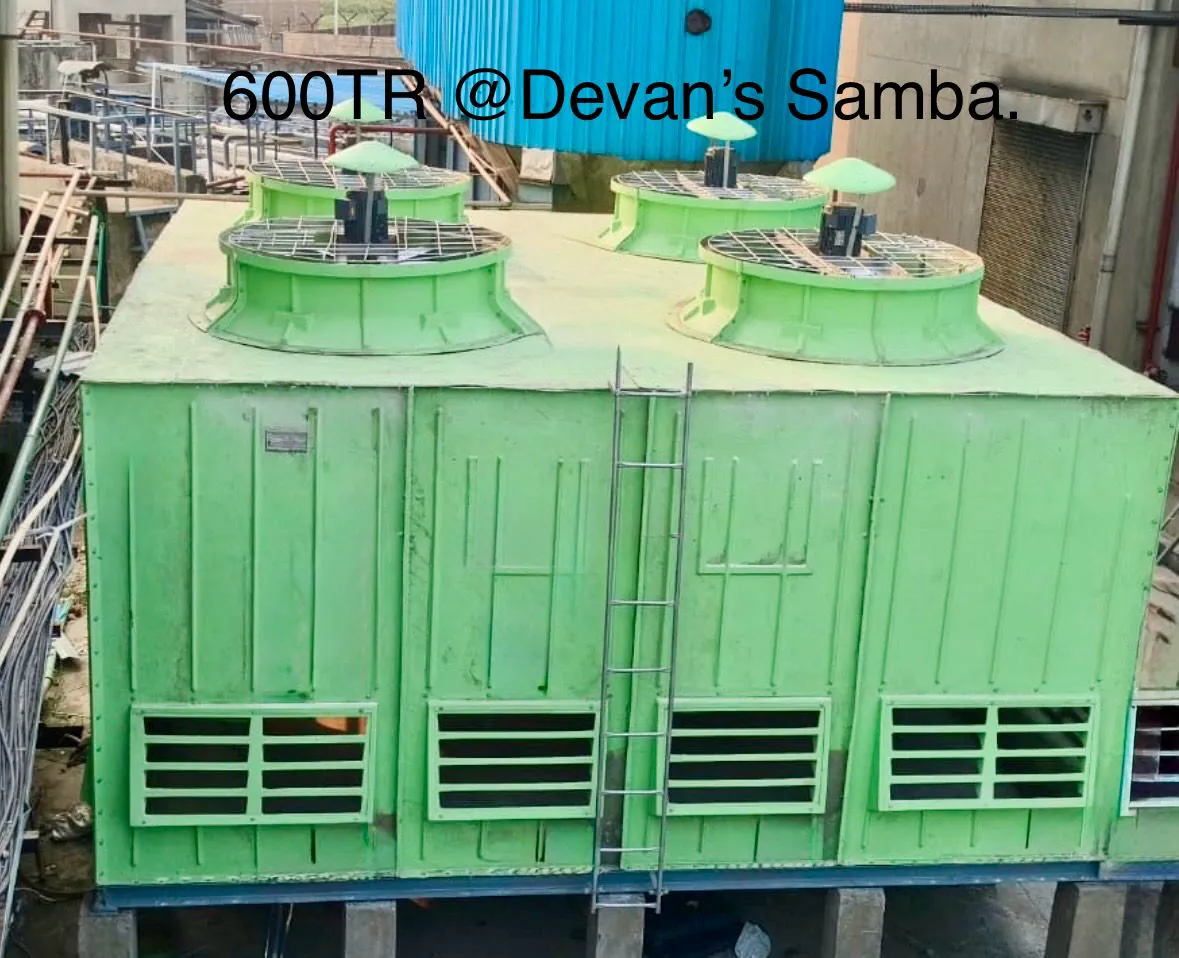
Cooling Towers
Counter Flow or Cross Flow: Which Arrangement Suits Your Plant
The two arrangements move air through water in different directions, and that single difference cascades into pump sizing, plot area, maintenance access and cost.
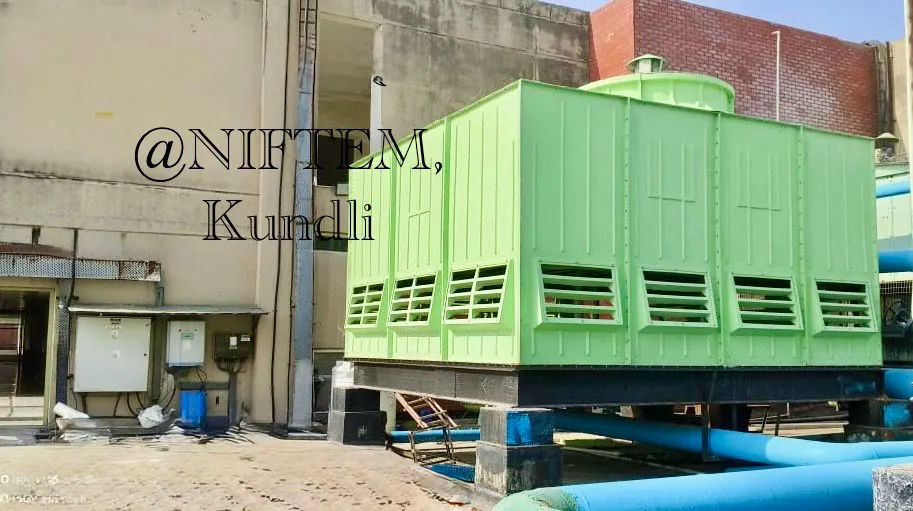
One difference, many consequences
In a counter flow tower, air travels straight up against water falling straight down. In a cross flow tower, air moves horizontally through the fill while water falls vertically through it. That is the entire distinction, and almost every other difference follows from it.
Neither is better in the abstract. They trade different things, and the right answer depends on what is scarce at your site: plot area, pump energy, maintenance access or capital budget.
Thermal performance
Counter flow wins on pure thermal efficiency. Because the coldest water meets the driest incoming air at the bottom of the fill, the driving force for evaporation stays high all the way down. That gives counter flow the closest achievable approach for a given fill volume.
Cross flow gives up some of that. Air entering the side meets water that has already been partly cooled, so the average driving force is lower and more fill is needed for the same approach. In practice a cross flow tower for a tight approach is physically larger than the counter flow equivalent.
If your approach requirement is 3 degrees or tighter, counter flow is usually the sensible starting point.
Pump head, and the energy bill nobody quotes
This is where cross flow earns its place. Counter flow distributes water through pressurised spray nozzles above the fill, which typically needs 3 to 5 metres of extra pump head. Cross flow uses an open gravity basin at the top of the tower, so the pump only has to lift water to the deck.
That difference is permanent. It shows up in the pump selection, the motor rating and every kilowatt hour the plant consumes for the next fifteen years. On a large circulating flow it can outweigh the capital difference between the two towers several times over.
When somebody compares two quotations purely on tower price, this is the cost that goes missing.
Maintenance and access
Cross flow is easier to live with. The hot water basin is open at the top, so an operator can look at the distribution while the tower is running and see immediately whether nozzles are blocked or flow is uneven. Fixing one is a matter of reaching in.
Counter flow distribution sits inside the casing under pressure. Inspecting it usually means shutting the cell down and getting inside. That is not difficult, but it is a planned job rather than a five minute check, which in practice means it happens less often.
For sites with limited maintenance staff, that difference in how easy it is to actually check the tower can matter more than a fraction of a degree of approach.
Footprint and height
Counter flow towers tend to be taller and occupy less plan area. Cross flow towers tend to be lower and wider, because the air inlet louvres run down the full height of both long faces.
That makes counter flow the usual answer on a congested terrace or a constrained plot, and cross flow attractive where height is restricted by planning, by a neighbouring building or by wind loading.
How we choose
Our default for tight approaches, restricted plot area and heavy industrial duty is counter flow. It gives the best thermal performance per square metre and takes aggressive water chemistry well.
We move to cross flow when pump energy dominates the lifetime cost, when height is limited, or when the site wants to be able to inspect the distribution without a shutdown.
Send us the duty, the plot and the constraint that worries you most, and we will tell you which arrangement suits it and why, including the cases where the cheaper option is the right one.